

.jpg)
.jpg)





Bombardier Challenger 604/605

BOMBARDIER CHALLENGER 604/605 FOR CHARTER
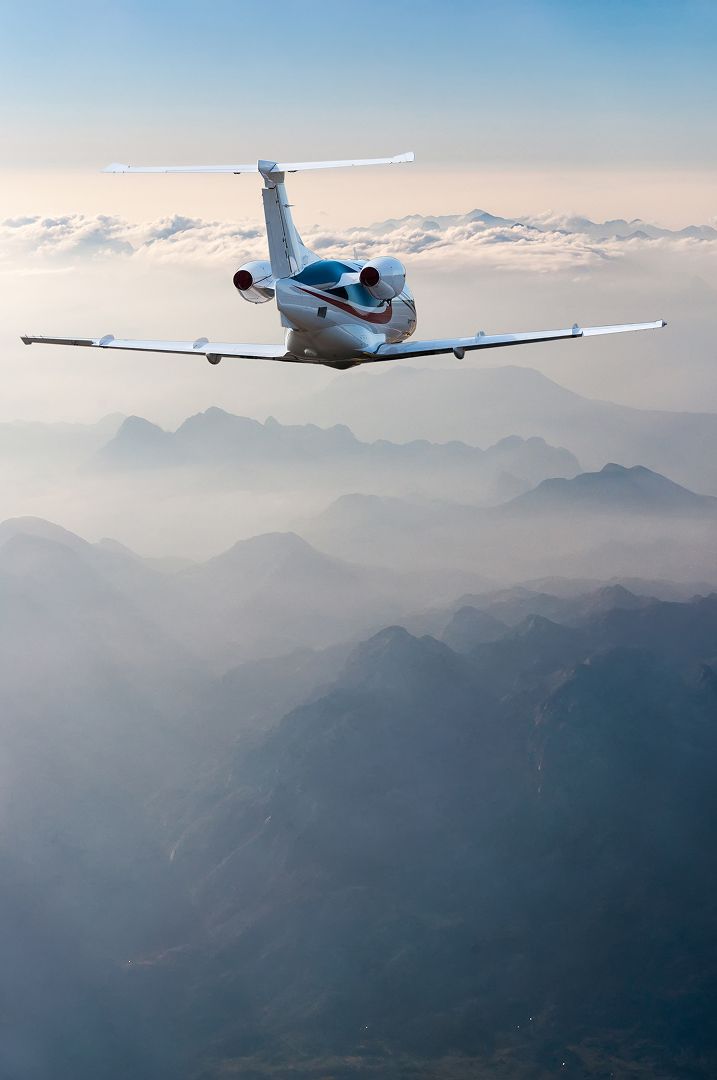
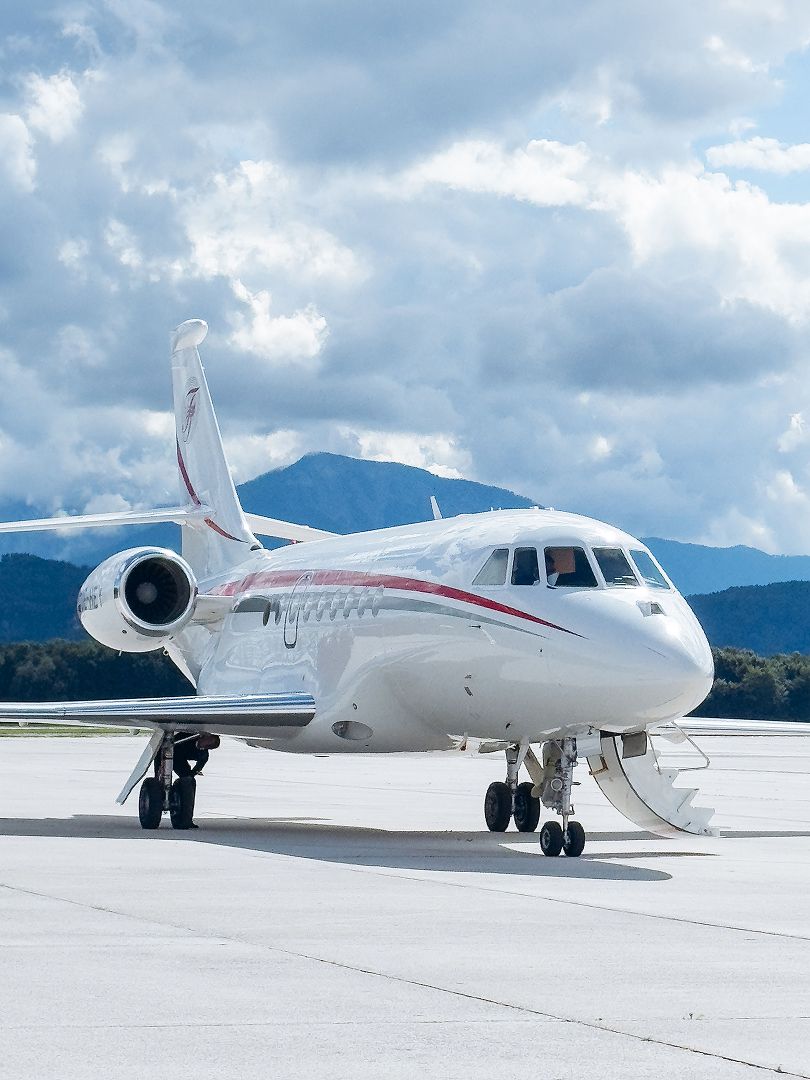
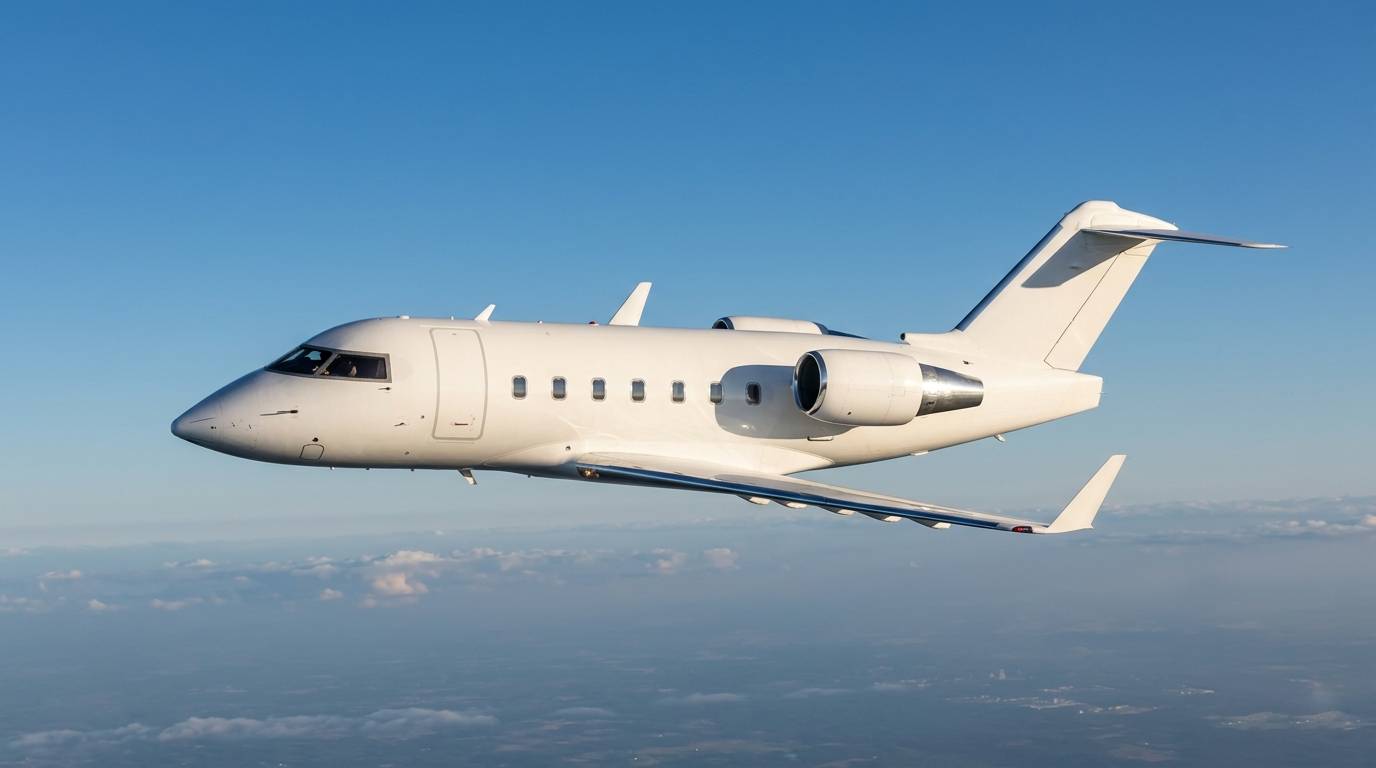
The Bombardier Challenger 604 and its successor the Challenger 605 are among the most widely flown heavy jets on the charter market — workhorses of the category known for their wide-body cabin, transcontinental range, and the kind of dispatch reliability operators build fleets around. The 605, introduced in 2006, is an evolution of the 604 with updated avionics, refined cabin systems, and incremental range improvements.
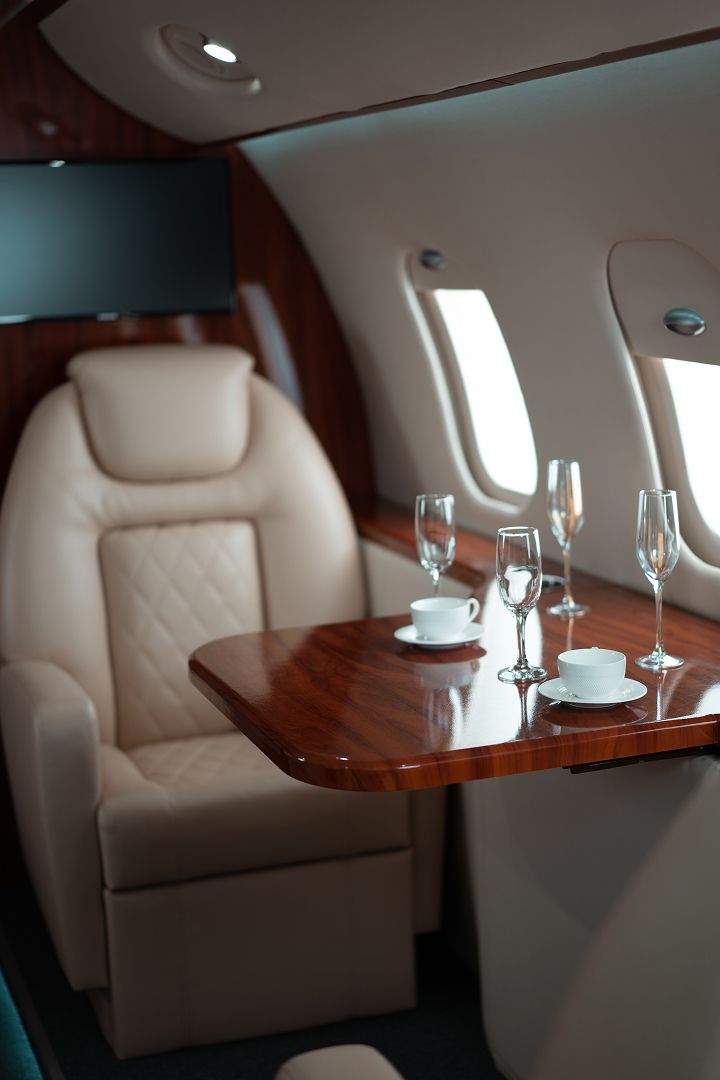
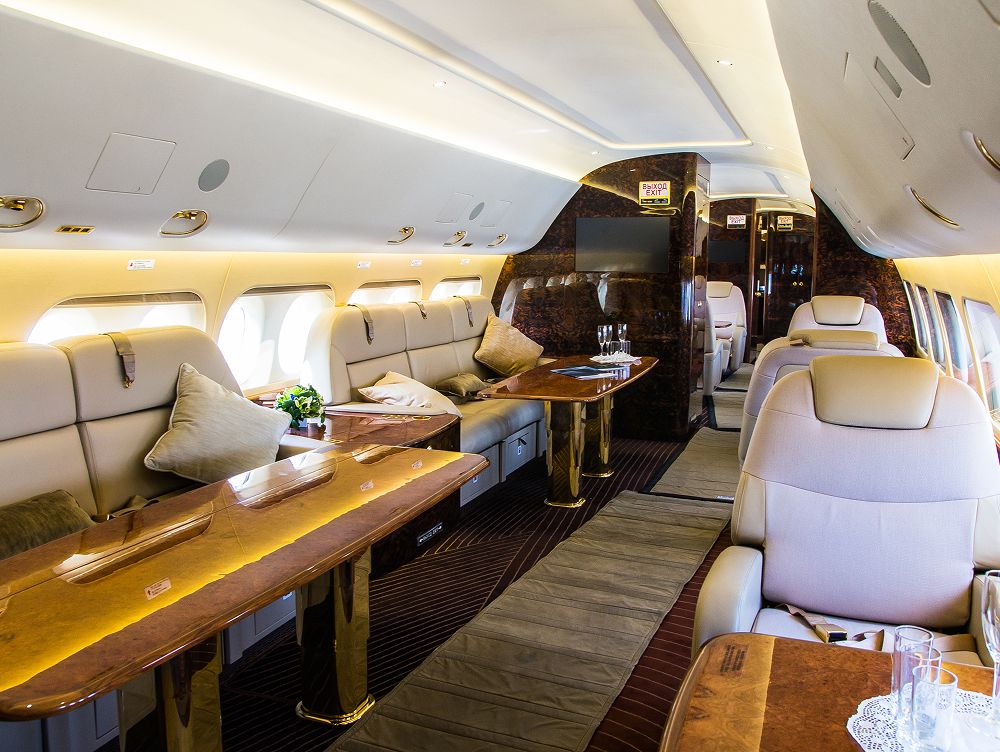
For charter clients, the Challenger 604/605 is the go-to choice for U.S. coast-to-coast missions, transatlantic crossings, and group trips that need real cabin space. With a true wide-body interior, three cabin zones, a full galley, and an enclosed lavatory, it delivers the productivity and comfort heavy jet travelers expect on multi-hour flights.
A TRUE WIDE-BODY HEAVY JET CABIN BUILT FOR LONG-RANGE COMFORT
.jpg)
.jpg)
BUILT FOR TRANSCONTINENTAL AND TRANSATLANTIC MISSIONS
The Challenger 604/605 is built for the longest missions heavy jet clients fly. Powered by twin General Electric CF34-3B engines and equipped with a Rockwell Collins Pro Line 4 avionics suite (604) or the upgraded Pro Line 21 (605), it delivers transcontinental range, transatlantic capability, and the all-weather dispatch reliability that has made it a backbone of the charter market.
.png)

The Challenger 604/605 typically seats 10 to 12 passengers across three distinct cabin zones, with most charter operators running a double-club layout in the forward zone, conference grouping in the mid-zone, and a divan in the aft zone.
Both the 604 and 605 offer a range of approximately 4,000 nautical miles, comfortably handling U.S. coast-to-coast missions nonstop and transatlantic routes like New York to London, New York to Geneva, or Boston to Paris with a typical passenger load.
The Challenger 604/605 cruises at approximately 528 mph, in line with other aircraft in the heavy jet category and well-suited for long missions where range and cabin productivity matter more than outright speed.
The 605 is an evolution of the 604, introduced in 2006 with updated Rockwell Collins Pro Line 21 avionics, redesigned cabin windows, refined cabin lighting and systems, and incremental range and performance improvements. Both share the same wide-body cabin, GE CF34-3B engines, and overall mission capability — which is why they're often grouped together on the charter market.