
Thank you! Your submission has been received!
Oops! Something went wrong while submitting the form.
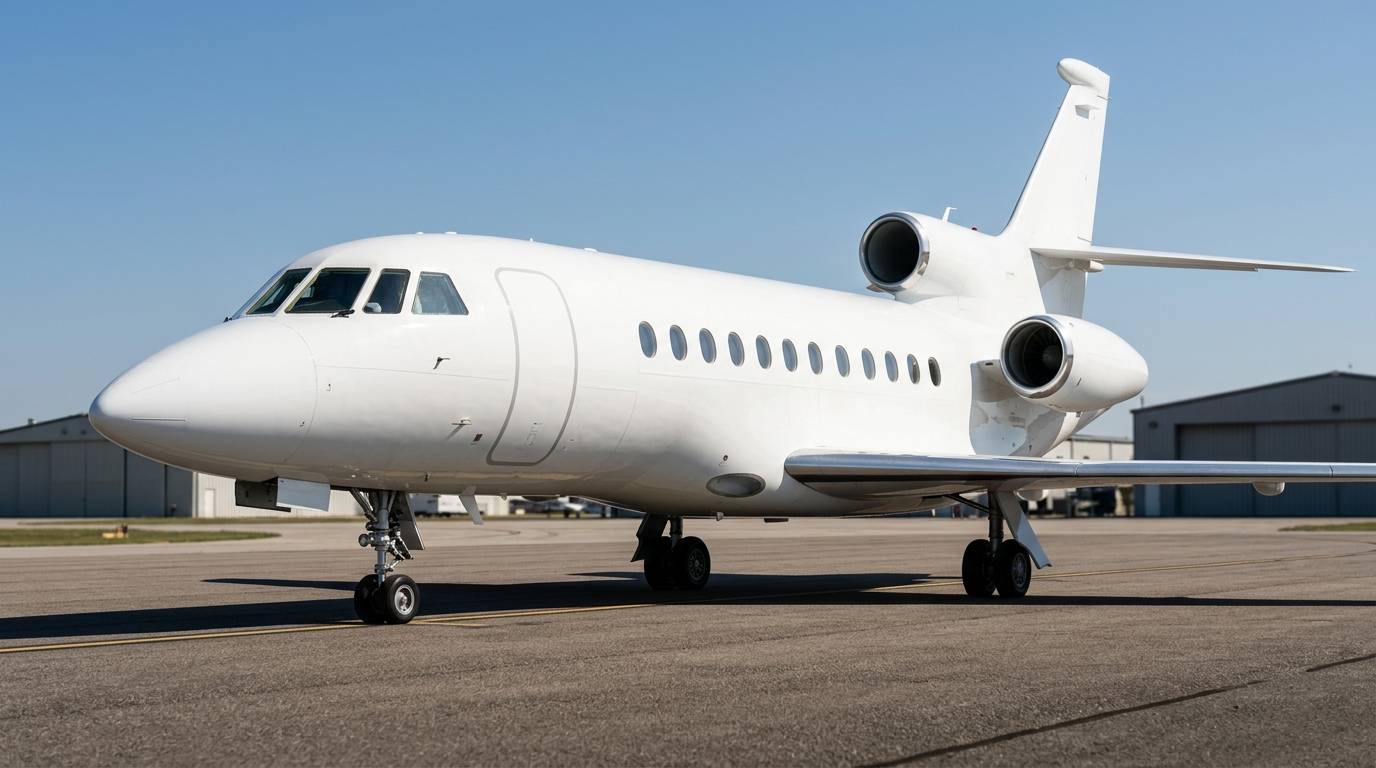
About 2.8% of the Falcon 900 fleet is on the market, against a fleet of 144 aircraft in operation. Those numbers move every week, and they move what your aircraft is worth. Here is where the model stands today.
No single number answers that. A 1989 Falcon 900 with 12,200 hours, a lapsed Honeywell MSP engine program and a nine-year-old interior trades nowhere near a newer aircraft still on-program with fresh paint. Model-level data tells you the neighborhood. An appraisal tells you the address.
What the market shows right now: 2.8% of the G650 fleet is listed for sale, with 552 aircraft in operation worldwide.
Asking prices, sold prices and the spread between them shape the actual valuation. Those figures come from JETNET's transaction database, and we release them to owners who identify their aircraft below.
| Metric | Value | 12-Month Change |
|---|---|---|
| Fleet in operation | 144 | −8 |
| Percentage of fleet listed | 2.8% | −5.1 pts |
| Average year of aircraft listed | 2015 | — |
| Listings held by dealers | 1 | −2 |
| Average airframe hours, listed | 2,228 | −639 |
| Average asking price | ••••• | — |
| Asking range, low to high | ••••• | — |
| Transactions, trailing 12 months | ••• | — |
| Average spread, ask to sold | ••• | — |
Source: JETNET, retrieved August 21, 2026. Fleet and inventory counts update weekly.
Enter your tail number. We confirm the aircraft, then release the full market picture and a preliminary value range.
Two Falcon 900s built in the same era can appraise hundreds of thousands apart. These are the variables that separate them, and each one gets documented in a formal appraisal.
Both follow USPAP and both carry ASA methodology. The difference is whether an appraiser puts hands on the aircraft.
| Feature | Desktop | Comprehensive On-Site |
|---|---|---|
| USPAP compliant | ✓ | ✓ |
| ASA methodology | ✓ | ✓ |
| Market research | ✓ | ✓ |
| Records review | ✓ | ✓ |
| Physical aircraft inspection | — | ✓ |
| Photographic documentation | Client provided | Appraiser captured |
| Best suited for | Financing, insurance, estate planning | Acquisitions, litigation, high-value aircraft |
Brad Searls holds Accredited Member status with the American Society of Appraisers, specializing in Aircraft, and develops every appraisal under the Uniform Standards of Professional Appraisal Practice. Assignments run independently, objectively and confidentially — the standard financial institutions, attorneys and accountants expect.
Twenty-seven years in business aviation back the credential. Brad has flown private, corporate, charter and airline operations, and served as First Officer, Captain, Safety Officer, Chief Pilot, President of Marketing & Sales and Partner. He holds FAA type ratings in the CE-500, EMB-505, Gulfstream G550 and Boeing 737.
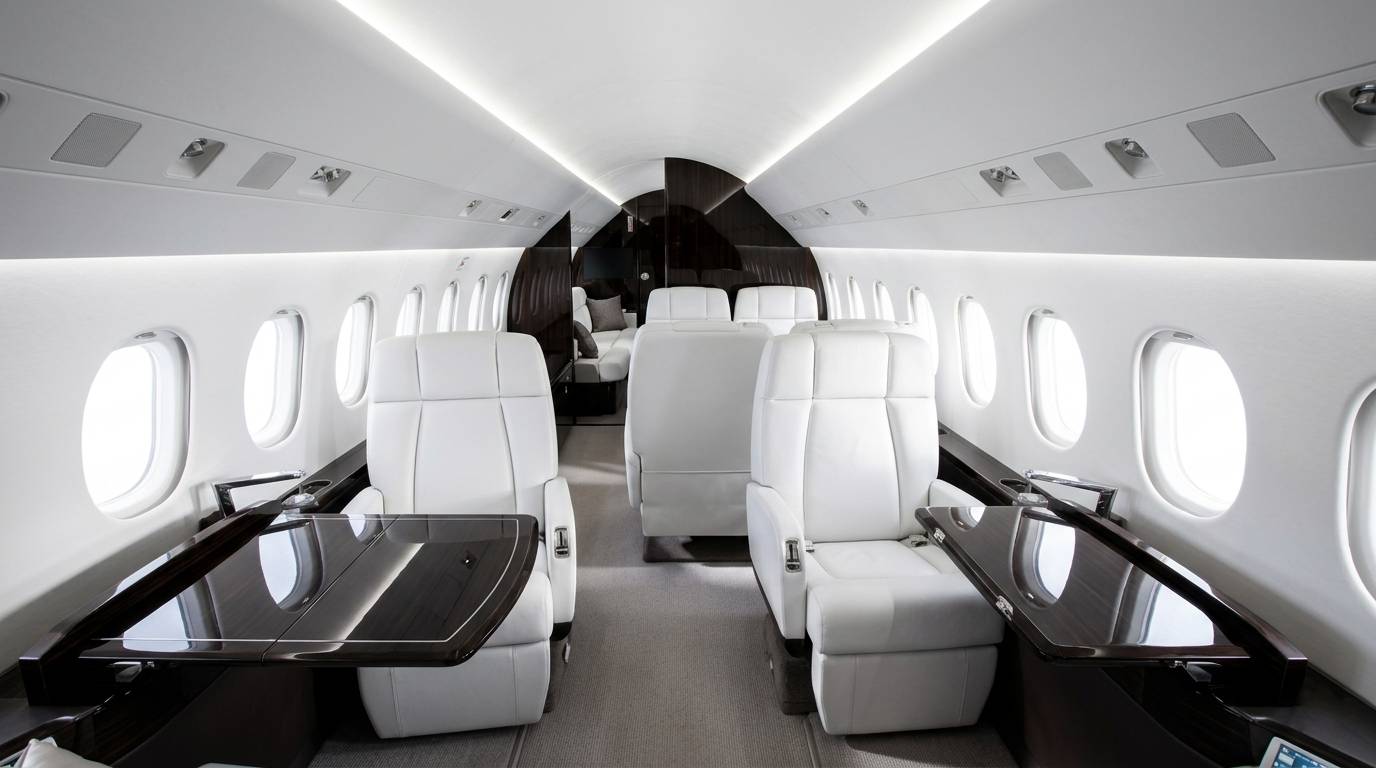
That combination matters on an aircraft like this one. Reading a Falcon 900's records means recognizing what a deferred inspection signals, what a mid-life interior actually costs to bring current, and how a lapsed engine program reads to a buyer's technical representative.
An eValuation is a free preliminary estimate drawn from model-level market data. An appraisal is a formal, USPAP-compliant opinion of value, developed under ASA methodology and documented in a written report that lenders, insurers, attorneys and the IRS accept.
Desktop appraisals typically deliver within five to seven business days of receiving records. On-site appraisals depend on aircraft availability and travel, and generally run two to three weeks.
Most lenders require an independent, USPAP-compliant appraisal before closing on an aircraft at this value. Requirements vary, so confirm the format and scope your lender expects before the assignment begins.
Yes. Reports go only to the client and the intended users named in the assignment.