Beechcraft King Air 200

BEECHCRAFT KING AIR 200 FOR CHARTER
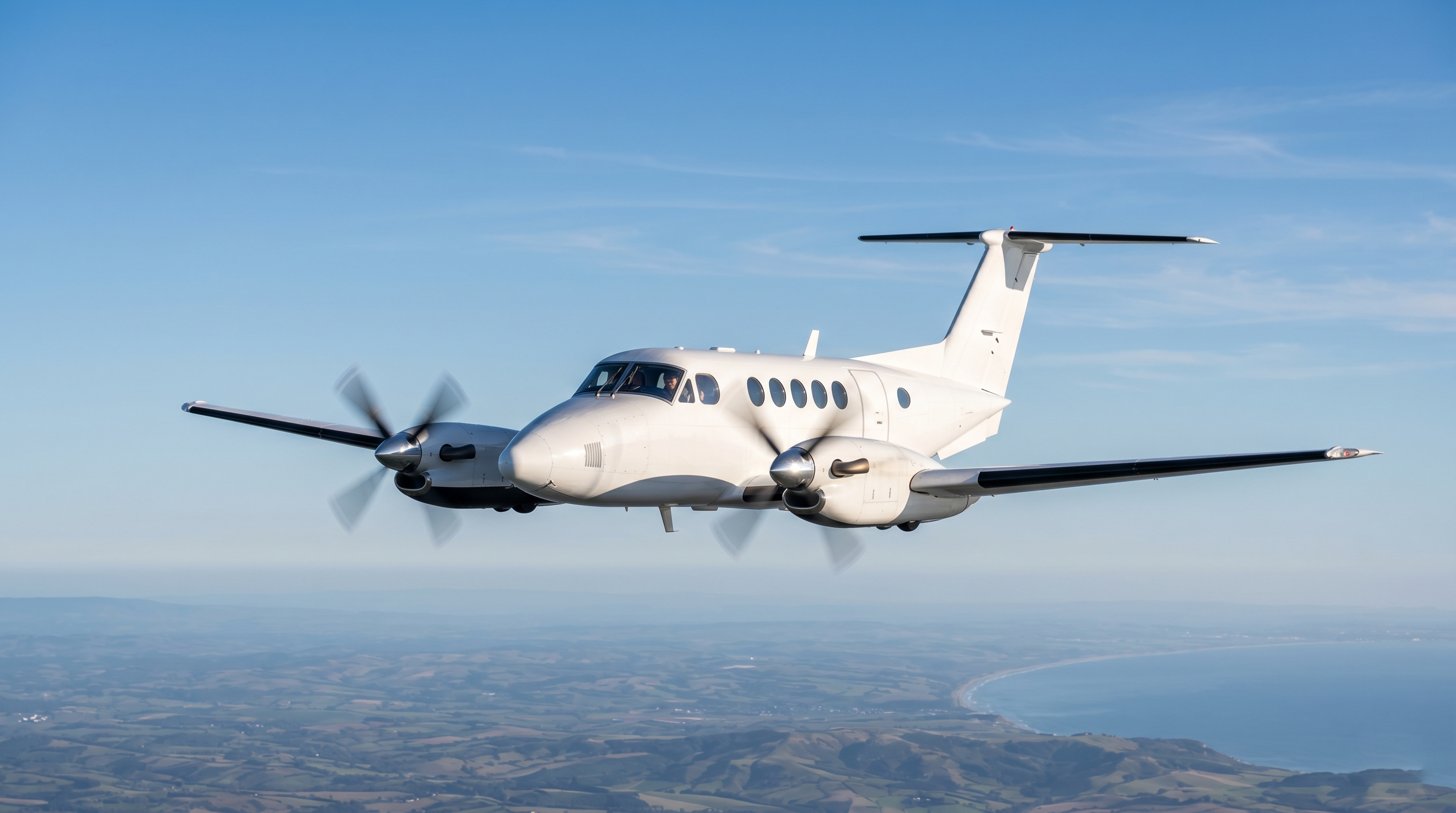
The Beechcraft King Air 200 is one of the most widely chartered twin-turboprop aircraft in the world and a fixture of the regional charter market. Originally introduced as the Super King Air in 1974 and produced continuously since, the 200 series has earned a reputation for reliability, versatility, and the kind of no-drama operating history that charter clients and operators both value.
The King Air 200 excels at short-to-medium regional trips where speed, cabin comfort, and runway flexibility all matter. Powered by two Pratt & Whitney PT6A turboprop engines, it can operate into shorter and less-developed runways that many light jets cannot access, while still delivering a pressurized cabin, stand-up headroom in a walk-in aisle, and the ability to cover most sub-two-hour missions efficiently.
A PROVEN TURBOPROP CABIN BUILT FOR REGIONAL COMFORT
.jpg)
.jpg)
RELIABLE, VERSATILE, AND BUILT FOR REGIONAL MISSIONS
The King Air 200 was engineered for exactly the kind of flying most charter clients actually do: trips of one to three hours, often into airports that larger jets can't reach. It's not the fastest aircraft in the sky, but on any mission under 500 nautical miles it gives up very little to a light jet while burning significantly less fuel and opening up hundreds of additional runway options.
.png)
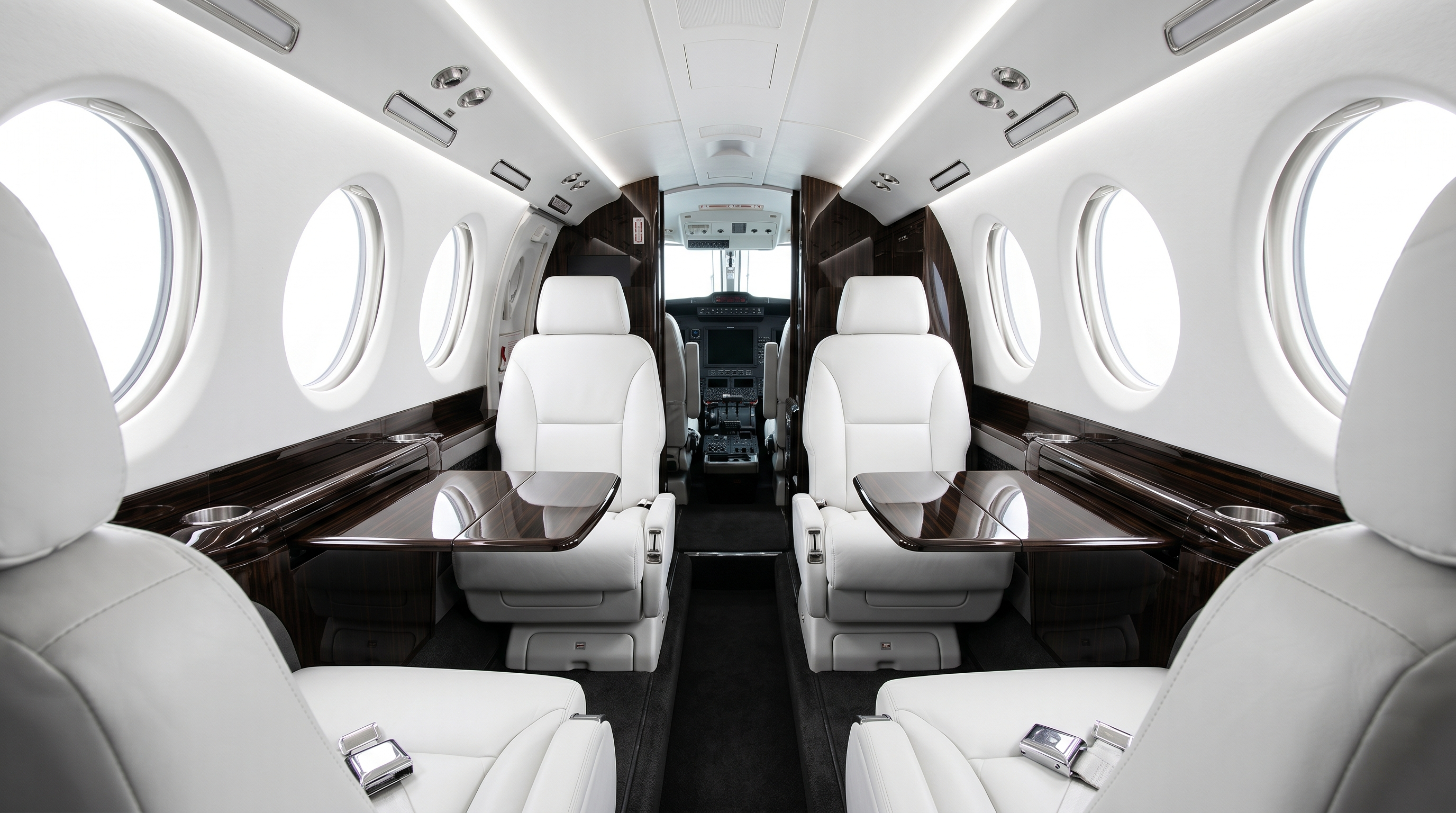
The aircraft typically accommodates up to 9 passengers, depending on configuration.
The King Air 200 offers a maximum range of approximately 1,500 nautical miles under standard operating conditions.
Yes. One of its key advantages is short-field capability, allowing access to regional and smaller airports.
Turboprops like the King Air 200 generally offer lower operating costs and better short-runway access, while light jets provide higher cruise speeds and higher-altitude performance.
Yes. Its reliability, efficient operating profile, and comfortable pressurized cabin make it a strong choice for regional executive travel.