Cessna Grand Caravan
CESSNA GRAND CARAVAN FOR CHARTER
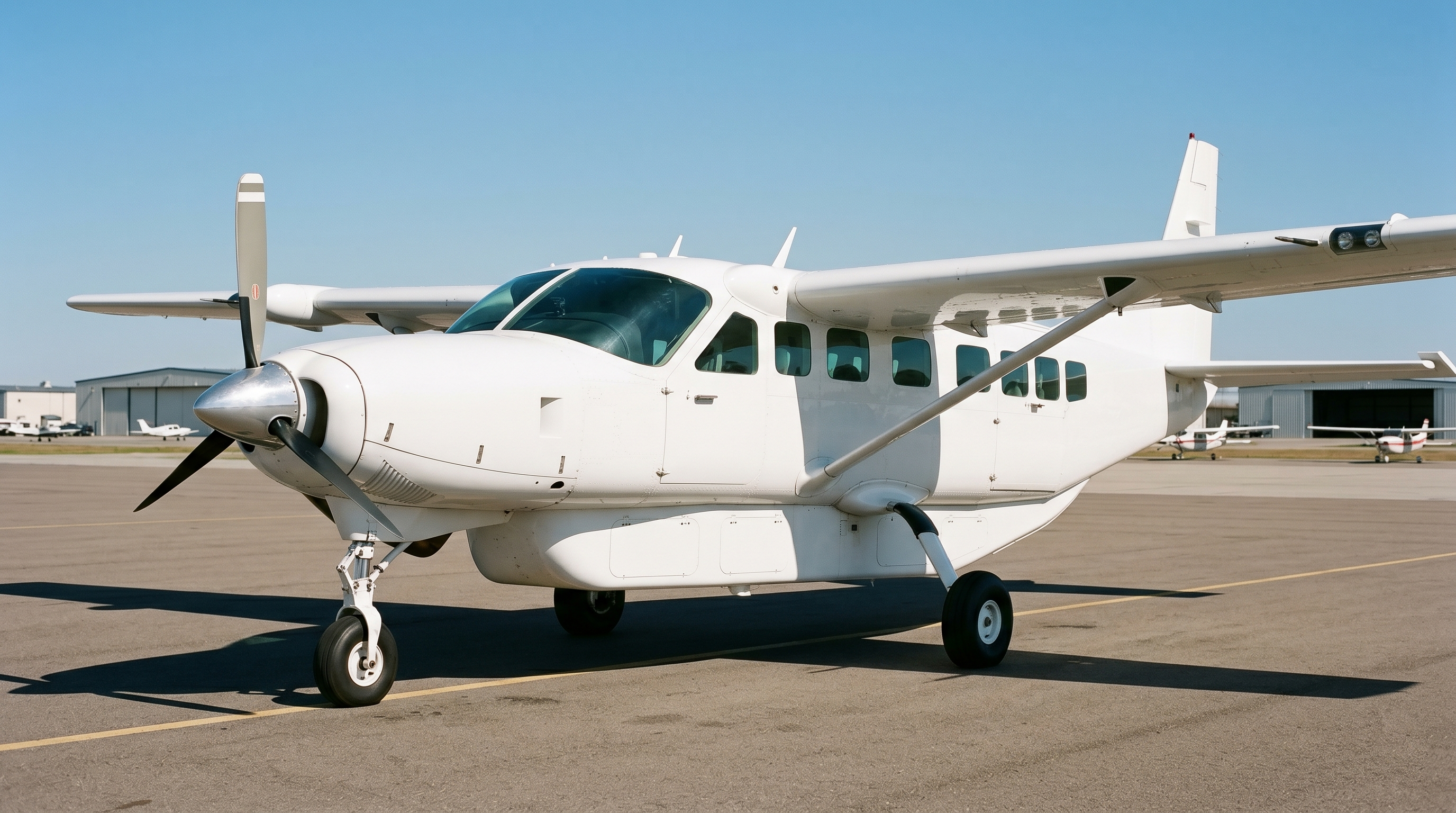
The Cessna 208B Grand Caravan is the workhorse of the single-engine turboprop world — a rugged, versatile aircraft built to fly where jets cannot. With its high-wing design, fixed landing gear, and proven Pratt & Whitney PT6A turboprop, the Grand Caravan has earned a reputation as one of the most dependable utility aircraft in private aviation.
The Grand Caravan excels at missions that demand flexibility — Caribbean island hops from South Florida, access to short or unpaved runways, and direct flights to small regional fields a jet simply cannot reach. For groups traveling to remote destinations, fishing lodges, private resorts, or island getaways, the Grand Caravan delivers a level of access and reliability that's tough to match.
A RUGGED, FLEXIBLE CABIN BUILT FOR ADVENTURE AND ACCESS
.jpg)
.jpg)
BUILT FOR SHORT STRIPS, REMOTE FIELDS, AND ALL-WEATHER RELIABILITY
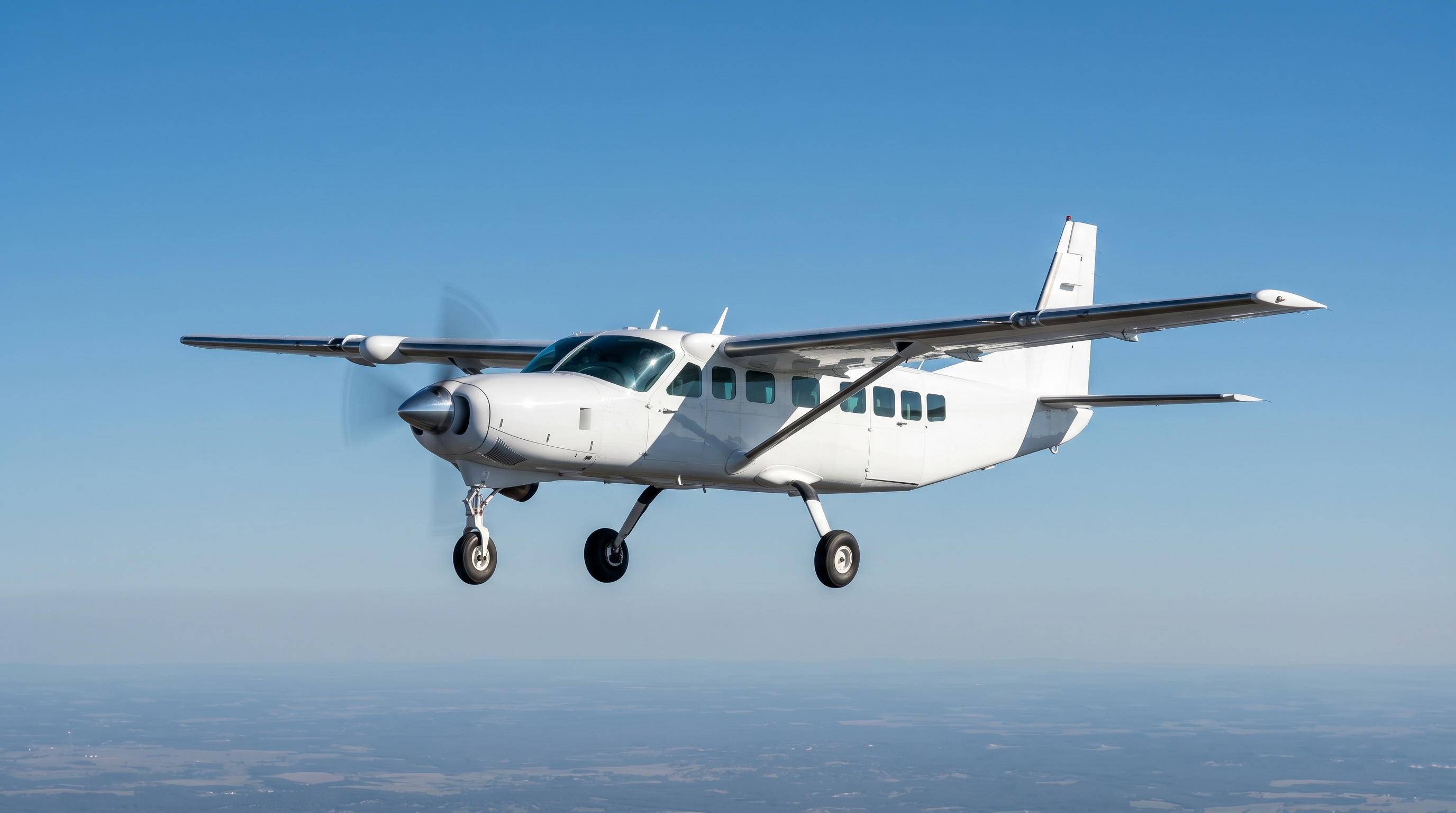
The Grand Caravan isn't built for speed — it's built for capability. Powered by a single Pratt & Whitney PT6A-140 turboprop, it delivers the rugged dispatch reliability and short-field performance that make it the aircraft of choice for island hops, bush flying, and access to airports that bigger jets simply can't use.
.png)
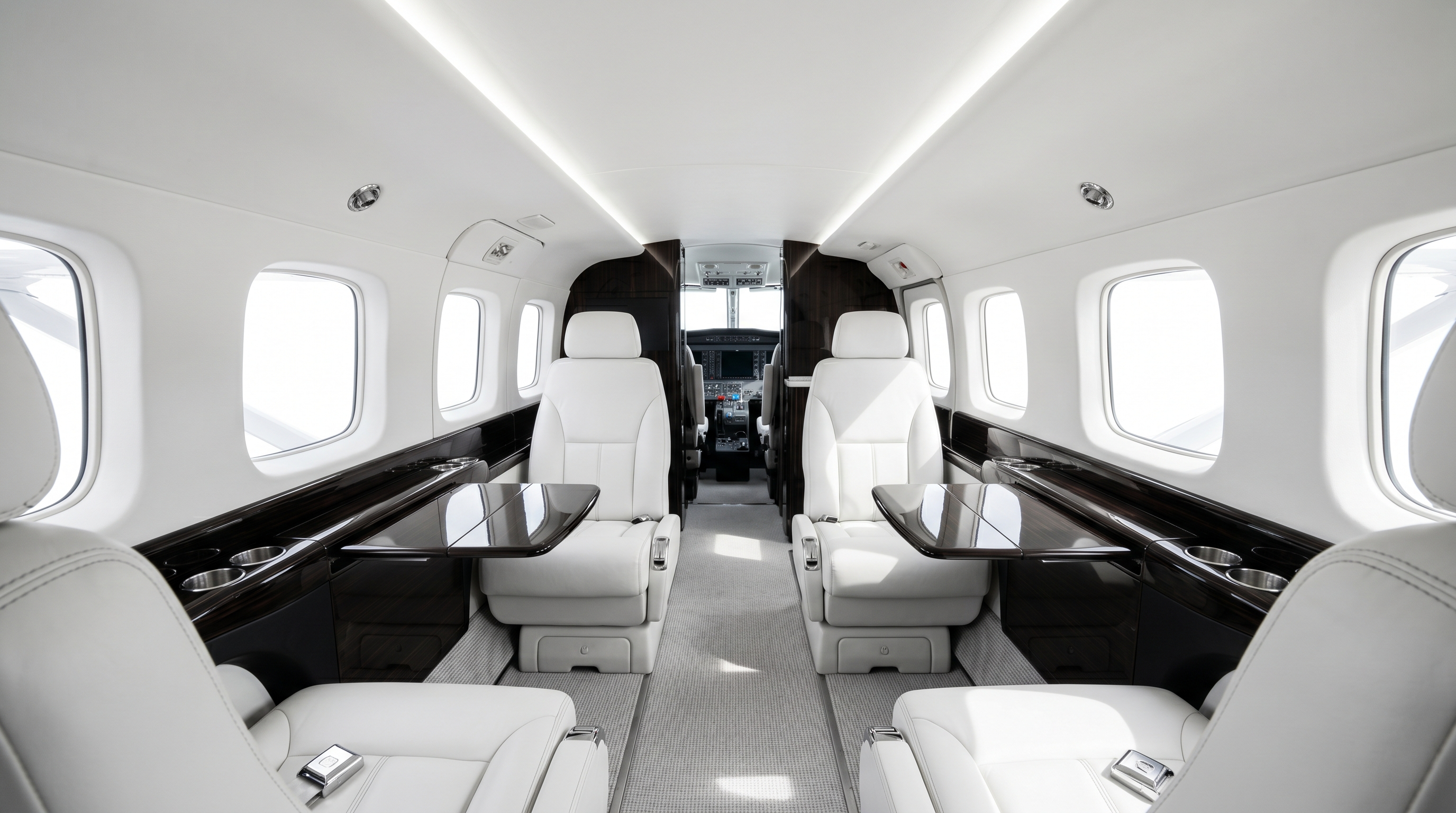
The Grand Caravan typically seats up to 9 passengers in a standard charter configuration, though high-density commuter setups can accommodate up to 14. Configuration varies by operator and mission.
The Grand Caravan has a range of approximately 1,070 nautical miles, making it well-suited for trips like South Florida to the Bahamas, Turks and Caicos, or hops throughout the Caribbean. It's also a strong choice for regional flights to remote U.S. airports.
The Grand Caravan cruises at approximately 214 mph. While it's slower than a private jet, its real advantage is access — reaching destinations and runways jets simply cannot use.
Yes — the Grand Caravan is one of the most capable charter aircraft for short-field and unpaved-strip operations. Its rugged landing gear, high-wing design, and turboprop power make it ideal for remote airports, island airstrips, fishing lodges, and private resort fields where jets cannot operate. This is why it's a perennial favorite for Caribbean and bush-flying missions.